 English
Blog


2026-10-17 10:55:08
Safety gear quality control involves a series of inspections and tests designed to determine whether protective products meet their specifications and intended performance requirements. Depending on the product, testing may cover material strength, impact resistance, abrasion resistance, dimensions, stitching, fit, chemical properties, and other characteristics relevant to its protective function.
For manufacturers, quality control is an important part of safety gear manufacturing because defects can affect product reliability and worker protection. A suitable testing program begins with clear product requirements and continues through material sourcing, the production process, product assembly, and final inspection.
There is no single test that applies to every type of safety gear. safety helmets, protective gloves, safety footwear, high-visibility clothing, and respiratory equipment have different functions and therefore require different testing methods and acceptance criteria.
Material inspection is one of the first stages of safety equipment production. Before materials enter manufacturing, suppliers and incoming materials may be checked against purchase specifications, technical data, and approved samples.
Depending on the product, incoming inspection may include:
Checking material type, grade, thickness, weight, and dimensions.
Inspecting fabrics for holes, contamination, color variation, or weaving defects.
Verifying polymer or metal components against approved specifications.
Reviewing supplier certificates, test documentation, and batch identification.
Confirming that materials are suitable for the intended application.
Material sourcing affects the consistency of the finished product. If a supplier changes a fabric composition, coating, polymer formulation, or component specification without proper evaluation, the product may perform differently from the approved version.
Manufacturers should define which material properties require verification and how often checks are performed. The necessary inspection level depends on the risks, supplier history, material variability, and applicable product requirements.
Tensile testing measures how a material responds when a pulling force is applied. It can help assess the strength of fabrics, straps, webbing, fasteners, and other load-bearing components used in protective products.
Seam strength testing is relevant to products such as protective clothing, high-visibility vests, and fabric-based safety equipment. A test may evaluate whether stitched or joined sections withstand a specified force without unacceptable failure.
These tests are useful because a product can use strong materials but still fail at a seam, attachment point, or connection. The test method and acceptance criteria should be selected according to the product design and applicable requirements rather than using one universal strength value.
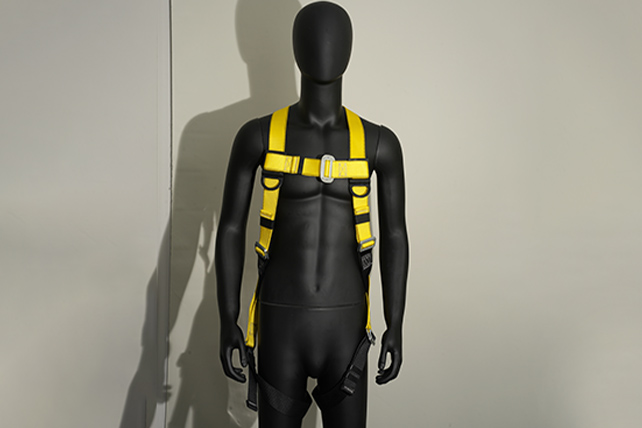
Impact testing evaluates how a protective product responds to a sudden force. It is especially relevant to products designed to protect against impact, including certain helmets, protective eyewear, and impact-protection equipment.
Different products require different test arrangements. Helmet testing may evaluate how impact energy is transmitted through the product under specified conditions. Protective eyewear may be assessed for resistance to particular impact hazards. Other protective products may have their own performance tests based on their intended function.
Impact resistance should not be judged by appearance or material thickness alone. A thicker component does not necessarily provide better protection. Product design, material behavior, coverage, retention systems, and test conditions can all influence the result.
Manufacturers and buyers should review the relevant test standard, the tested product configuration, and the reported results. A general impact test cannot establish that a product is suitable for every type of impact hazard.
Abrasion resistance testing evaluates how well a material withstands rubbing or friction. Tear resistance testing evaluates its ability to resist the propagation of a tear once damage begins.
These tests can be relevant to protective clothing, work gloves, knee protection, and other products exposed to rough surfaces or repeated contact. The appropriate test depends on the material and the intended use.
For example, protective work gloves may need to withstand repeated friction during handling tasks. High-visibility garments may require durable fabrics and seams to maintain their construction through normal use and care. However, abrasion resistance alone does not demonstrate cut resistance, puncture resistance, or chemical protection; each property must be assessed separately where required.
Dimensional inspection verifies that a product's measurements fall within defined tolerances. Depending on the product, checks may include length, width, thickness, opening size, strap position, component spacing, or other design-specific measurements.
Fit is especially important for PPE worn directly on the body. A helmet that does not fit correctly, a glove that restricts movement, or a respirator that cannot form the required seal may not provide its intended level of protection.
Quality teams may use measuring tools, size templates, fit checks, or product-specific test procedures. The method should reflect the product's design and applicable requirements.
For products available in multiple sizes, manufacturers should verify that each size follows the approved specification. Sampling only one size may not identify dimensional problems affecting other sizes or configurations.
Safety gear may be exposed to temperature changes, moisture, ultraviolet radiation, repeated bending, cleaning, or other environmental conditions. Durability testing can help determine whether a product maintains its required properties under specified conditions.
Depending on the product, environmental testing may include:
Temperature conditioning: Evaluating performance after exposure to specified hot or cold conditions.
Moisture resistance: Assessing whether water or humidity affects materials, components, or intended performance.
UV exposure: Evaluating certain materials for changes after controlled ultraviolet exposure.
Flexing and fatigue: Checking how components respond to repeated movement or bending.
Cleaning and aging: Assessing whether specified cleaning or aging conditions affect product properties.
Not every product needs every environmental test. The test plan should reflect the actual conditions the equipment is expected to encounter and the requirements of the relevant standard.
In addition to general material and construction checks, many types of PPE require specialized performance testing. These tests are designed around the hazards the product is intended to address.
Depending on the helmet category and applicable standard, testing may address impact attenuation, penetration resistance, retention system performance, and other specified properties.
Glove testing depends on the intended hazard. Different standards or methods may assess mechanical risks such as abrasion, cutting, tearing, and puncture, or evaluate resistance to particular chemicals, heat, or other hazards.
High-visibility clothing may be evaluated for background material performance, retroreflective properties, garment design, and relevant durability requirements. The applicable standard and required class depend on the intended use and target market.
Depending on the footwear category, testing may address toe protection, slip resistance, sole properties, or other performance characteristics. The applicable requirements vary by product type and standard.
Respiratory equipment requires testing appropriate to its design and intended use. Depending on the product, this may include filtration performance, breathing resistance, leakage-related assessments, or other specified properties. Fit testing and user training may also be necessary as part of a workplace respiratory protection program.
Quality control should not be limited to the finished product. In-process inspections help identify defects before they become more expensive or difficult to correct.
During PPE production, inspection points may include:
Checking cutting dimensions and material orientation.
Verifying stitching, welding, molding, or bonding operations.
Confirming that components match the approved bill of materials.
Inspecting fasteners, straps, closures, and attachment points.
Monitoring production settings and documenting any approved changes.
These checks help maintain consistency throughout the production process. They are particularly important when several production lines, material suppliers, or assembly stages contribute to the same finished product.
Final inspection checks whether finished products meet defined acceptance criteria before packing and shipment. It may include visual inspection, dimensional checks, functional checks, labeling review, and verification of required documentation.
Manufacturers may inspect every unit for certain defects while using sampling plans for other characteristics. The appropriate approach depends on product risk, production volume, customer requirements, and the applicable standard.
Batch sampling can help identify production trends, but it does not replace mandatory type testing or conformity assessment. A product that requires formal testing or certification cannot be declared compliant solely because a small sample passes an ordinary factory inspection.
Records should identify the product, production batch, inspection method, acceptance criteria, results, and corrective action where needed. This information supports traceability and helps manufacturers investigate complaints or recurring defects.
A practical quality system connects product requirements with each stage of manufacturing. The following steps can help organize safety gear quality control.
Define product requirements. Identify the intended hazards, performance targets, relevant standards, and target-market requirements.
Approve materials and suppliers. Establish specifications for incoming materials and define how supplier changes will be evaluated.
Create a documented production process. Identify critical operations, inspection points, and acceptable tolerances.
Select appropriate test methods. Use product-specific standards and validated procedures rather than relying on generic tests.
Train inspection personnel. Ensure staff understand the test method, equipment, sampling rules, and acceptance criteria.
Record results and investigate failures. Document nonconformities, determine root causes, and verify corrective actions.
Review production performance. Monitor recurring defects, supplier quality, customer feedback, and changes in product requirements.
For buyers sourcing safety gear from overseas factories, useful questions include which tests are performed in-house, which are completed by external laboratories, what standards apply, and whether reports correspond to the exact model being purchased.
No. Testing depends on the product's intended function, hazards, design, and applicable requirements. A helmet, glove, protective garment, and respirator need different testing methods.
Not when the product or target market requires formal testing, certification, or conformity assessment. Factory inspection supports quality control, while third-party testing may be part of a separate compliance process.
The frequency depends on the product, production process, risk level, applicable standard, and customer requirements. Testing may occur during product development, when materials or designs change, and at defined intervals during production.
Materials directly affect properties such as strength, durability, flexibility, and protective performance. Consistent sourcing and verification help reduce variation between production batches.
Safety gear quality control may involve material verification, tensile and seam strength testing, impact resistance testing, abrasion and tear resistance testing, dimensional inspection, environmental testing, product-specific performance tests, and final inspection. The correct test plan depends on the type of protective equipment and its intended hazards. By integrating appropriate testing into material sourcing, PPE production, product assembly, and the wider production process, manufacturers can improve consistency, traceability, and confidence in product quality. Buyers should also verify the relevant standards and documentation for the exact product and target market.

Aplexus Industrial Co.,Ltd Is a trusted provider of semi-finished accessories and personal protective equipment (PPE).

Business wechat
Copyright © 2026 Aplexus Industrial Co.,Ltd All rights reserved.


