 English
Blog


2026-10-17 10:52:30
PPE and safety gear are closely related terms used to describe equipment that helps protect people from workplace hazards. PPE stands for personal protective equipment, while safety gear is a broader, more general expression that may refer to personal protective products as well as other equipment used to improve workplace safety. Understanding the difference helps employers select appropriate protection, and it also helps buyers evaluate products from safety gear manufacturers.
In manufacturing, construction, logistics, and other industrial environments, choosing suitable protective equipment is an important part of workplace risk management. The right selection depends on the hazards present, the tasks workers perform, applicable safety requirements, and the quality of the products supplied.
Personal protective equipment, commonly known as PPE, refers to equipment worn or used by an individual to reduce exposure to specific workplace hazards. It is generally selected according to the risks identified in a workplace assessment.
Common examples of PPE include:
Head protection: safety helmets and hard hats designed for relevant impact or falling-object hazards.
Eye and face protection: Safety glasses, goggles, and face shields selected for risks such as flying particles or chemical splashes.
Hand protection: Work gloves designed for particular hazards, including abrasion, cuts, heat, or certain chemicals.
Foot protection: Safety footwear with features appropriate to workplace hazards, such as impact-resistant toe protection or slip-resistant soles.
Hearing protection: Earplugs and earmuffs used to reduce exposure to hazardous noise.
Respiratory protection: Suitable respirators selected for specific airborne hazards and used under the required protection program.
Protective clothing: Garments designed to address risks such as heat, flame, chemical exposure, or other workplace hazards.
Not every protective product is suitable for every environment. PPE must be selected according to the hazard, fit the user correctly, and be used in accordance with its instructions and applicable regulations.
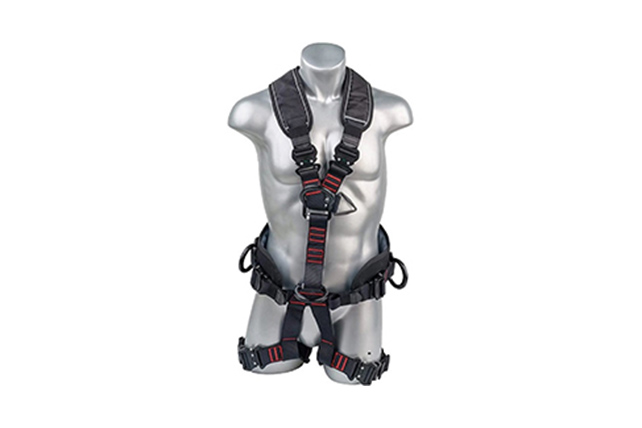
Safety gear is a general term for products and equipment intended to help prevent injuries or reduce exposure to hazards. In everyday workplace communication, safety gear often refers to PPE, such as helmets, gloves, protective clothing, and safety shoes.
However, the term can also be used more broadly to include equipment that supports safe working practices. Depending on the context, this may include fall-protection systems, safety barriers, warning devices, and other protective equipment. Whether a particular item qualifies as PPE depends on its intended function and the applicable regulatory definition.
For example, a worker may wear a safety helmet and protective gloves as PPE while also working near barriers and warning signs that help control access to a hazardous area. Both contribute to workplace safety, but they do not necessarily belong to the same equipment category.
The main difference is that PPE is a specific term for personal protective equipment, whereas safety gear is a broader expression whose meaning depends on the context.
| Comparison | PPE | Safety Gear |
|---|---|---|
| Meaning | Personal protective equipment | General term for protective and safety-related equipment |
| Primary purpose | Reduce an individual's exposure to specific hazards | Support personal protection and, depending on usage, wider workplace safety |
| Typical examples | Gloves, helmets, goggles, respirators, protective clothing | PPE and potentially other protective or safety-related equipment |
| Selection criteria | Hazard assessment, fit, performance, and applicable requirements | Intended use, hazard level, equipment function, and relevant requirements |
| Standards and compliance | Depends on product type, intended use, and jurisdiction | Depends on the particular product and its applicable requirements |
These terms are sometimes used interchangeably in product catalogs and online searches. Buyers should therefore review the actual product specifications rather than relying on the category name alone.
Manufacturing workplaces may expose workers to sharp edges, moving machinery, heat, noise, airborne particles, and other hazards. Each risk may require a different combination of protective products and workplace controls.
Understanding PPE helps safety managers identify the personal protection required for each task. Understanding the broader meaning of safety gear helps them consider additional equipment and safety measures that may be needed around the workplace.
For example, a worker handling metal components may need cut-resistant gloves and protective eyewear. The production area may also require machine guards, warning signs, and restricted-access barriers. The gloves and eyewear are PPE, while the other measures help control hazards through different means.
Personal protective equipment should not automatically replace safer work methods, engineering controls, or other appropriate hazard-control measures. Employers should follow the relevant risk assessment and workplace safety requirements.
Reliable safety gear manufacturing involves more than assembling materials into a finished product. Manufacturers need to understand the product's intended application, choose appropriate materials, establish consistent production methods, and verify that the finished item meets its specifications.
Material sourcing is an important early step. Depending on the product, manufacturers may purchase textiles, polymers, metal components, foam padding, protective lenses, fasteners, or other materials. Suppliers should be evaluated according to relevant specifications, consistency, traceability, and any required documentation.
Material selection must match the intended protective function. For instance, a fabric suitable for ordinary workwear may not be appropriate for clothing intended to protect against a specific chemical or thermal hazard.
The production process varies by product type. It may involve cutting, molding, stitching, welding, coating, forming, or other manufacturing operations. Process controls help reduce variation between batches and improve consistency in dimensions, construction, and performance.
Product assembly brings individual components together into a finished product. Depending on the design, this may include attaching straps, installing buckles, joining protective layers, fitting lenses, or securing padding. Assembly checks can identify loose connections, incorrect components, visible defects, and other issues before final inspection.
PPE production should include quality checks appropriate to the product's risks and specifications. Depending on the item, these may cover dimensions, seams, material properties, fit, component strength, and relevant performance requirements.
For regulated or certified products, manufacturers and buyers should confirm that the applicable conformity assessment, certification, and testing requirements have been met. A general factory quality inspection does not automatically establish that a product complies with a particular safety standard.
Choosing suitable products requires a clear understanding of the work environment and the risks involved. The following steps can help buyers and employers make informed decisions.
Identify workplace hazards. Consider impact, cuts, chemicals, heat, noise, airborne hazards, and other relevant risks.
Define the protective function. Determine which hazards the product must address and what performance is required.
Check product specifications. Review materials, sizing, intended use, limitations, care instructions, and relevant test information.
Verify applicable requirements. Confirm the standards and conformity requirements relevant to the product and target market.
Evaluate the manufacturer. Review production capabilities, quality controls, traceability, and documentation.
Confirm fit and usability. Equipment that does not fit correctly or cannot be used as instructed may not provide its intended protection.
For bulk buyers, it is also useful to discuss sample approval, packaging requirements, batch consistency, lead times, and the documentation that will accompany the shipment.
Not always. PPE specifically refers to personal protective equipment. Safety gear is a broader general term that often includes PPE but may also refer to other safety-related equipment.
They are generally considered PPE when designed and used to protect individuals from relevant workplace hazards. The exact requirements depend on the product, its intended use, and the applicable regulations.
Requirements vary by product category and target market. Some products are subject to specific conformity assessment or certification requirements, while others may be governed by different rules. Buyers should verify the applicable requirements instead of assuming that one certification applies to all safety gear.
Buyers should review product specifications, material information, quality-control procedures, traceability, applicable test reports, and relevant conformity documentation. Samples and production records may also help evaluate consistency.
PPE and safety gear are closely related, but they are not always interchangeable terms. PPE specifically describes equipment used to protect an individual from workplace hazards, while safety gear can refer to PPE and other safety-related equipment depending on the context. For employers and buyers, the priority should be selecting products that match the identified hazards, verifying their performance and compliance, and working with manufacturers that maintain suitable controls throughout safety gear manufacturing, material sourcing, product assembly, and final inspection.
```

Aplexus Industrial Co.,Ltd Is a trusted provider of semi-finished accessories and personal protective equipment (PPE).

Business wechat
Copyright © 2026 Aplexus Industrial Co.,Ltd All rights reserved.


