 English
Blog


2026-10-10 15:44:21
Yes, a Full Body Work Harness can be used for roofing when it is designed for the application and connected to a suitable, properly installed fall protection system. Roofing work often exposes workers to unprotected roof edges, slippery surfaces, fragile materials, roof openings, and changes in elevation. A properly selected full body safety harness can help protect workers when other required protective measures do not adequately control these hazards.
However, wearing a harness alone does not make roof work safe. The equipment must be compatible with the anchorage, lifeline, or lanyard, and workers must understand how to use the complete system. Roof slope, roof material, available anchorage locations, and local safety regulations all influence the appropriate fall protection method.
Roofing tasks frequently require workers to move across elevated surfaces while carrying tools, installing materials, repairing leaks, or inspecting building components. Even experienced roofers can lose their footing because of dust, moisture, loose materials, unexpected surface changes, or adverse weather.
A full body work harness is commonly used as part of a personal fall arrest system. If a worker falls, the system is designed to stop the fall and distribute the resulting forces through the harness when all components are properly selected and used.
Roofing applications may include:
Installing shingles, tiles, or metal roofing panels.
Repairing roof leaks and damaged roofing materials.
Installing solar panels and rooftop equipment.
Cleaning gutters and inspecting roof drainage systems.
Maintaining commercial and industrial rooftops.
Inspecting roof structures and performing elevated building maintenance.
The exact protective measures required depend on the task and the applicable regulations. A fall protection harness should be incorporated into a broader plan that addresses edge protection, access routes, roof openings, anchorage, and emergency response.
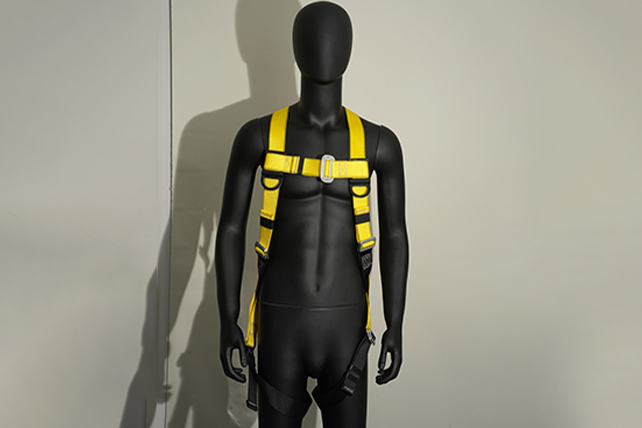
A full body safety harness designed and approved for the intended fall protection application is generally the appropriate harness type for personal fall arrest. It should provide suitable adjustment, secure attachment points, and compatibility with the connecting equipment specified for the system.
When evaluating a roofing harness, consider the following characteristics:
Secure fit: Adjustable shoulder and leg straps help the harness fit the individual worker correctly.
Suitable attachment point: The designated attachment point must match the intended application and manufacturer instructions.
Durable webbing: Materials should be appropriate for the working environment and maintained according to the manufacturer's guidance.
Compatible connectors: The harness must work with the selected lanyard, lifeline, and anchorage connector.
Clear identification: Labels should identify the product and provide relevant instructions and compliance information.
Comfort and mobility: Appropriate adjustment can support movement during roofing tasks without compromising safety.
Roofers should not choose a harness based on comfort or appearance alone. The equipment must meet the requirements of the complete system and the applicable local standards.
A roofing fall protection system typically includes a Full Body Harness, compatible connecting equipment, and an appropriate anchorage. Depending on the work and system design, connecting equipment may include a shock-absorbing lanyard, a self-retracting lifeline, or another approved device.
The anchorage must be suitable for the anticipated forces and installed according to the system design and applicable requirements. A roof surface, pipe, ventilation component, or other convenient structure should never be assumed to be a safe anchor point without verification.
Workers should confirm that connectors are compatible, properly secured, and used according to their instructions. The arrangement must also account for the possibility of swing falls, contact with lower surfaces, and sharp edges that could damage connecting equipment.
Before work begins, a competent or otherwise appropriately qualified person, as required by the applicable rules, should evaluate the system and the work environment. Workers should never improvise an anchorage or modify protective equipment without authorization.
Yes, a suitable full body work harness can be used on a sloped roof when the complete fall protection system is designed for the conditions. Sloped roofs present additional hazards because gravity can cause workers to slide toward an edge, particularly when roofing materials are wet, dusty, icy, or loose.
The appropriate protection may depend on the roof pitch, surface condition, working position, and task. Some jobs may require a personal fall arrest system, while others may use guardrails, travel restraint, or other compliant protective measures.
Workers should also consider the placement of the anchorage and the length of the connecting equipment. An unsuitable setup may allow a worker to reach an edge, strike a lower level, or experience a dangerous swing fall.
Roof pitch and weather conditions should be assessed before work begins. If conditions make safe access or movement impractical, the task should be postponed or an alternative work method should be considered.
No. A full body harness is only one component of an effective roofing safety system. Its protective function depends on correct selection, suitable anchorage, compatible connectors, adequate clearance, and proper use.
Other important roofing safety measures include:
Guardrails: Install compliant edge protection where required and practical.
Roof opening protection: Protect or cover skylights, holes, and other openings using suitable methods.
Safe access: Provide appropriate ladders, stairs, or access platforms and secure them according to applicable requirements.
Housekeeping: Remove loose materials, unnecessary tools, and debris that could create trip hazards.
Weather monitoring: Evaluate wind, rain, ice, and other conditions that may make roof work unsafe.
Rescue planning: Establish a practical procedure for promptly rescuing a worker after a fall.
Where required by regulation, collective protection and other specified measures must not be replaced by a harness simply for convenience. Employers should select the protective approach based on a documented assessment of the hazards.
Correct fitting is essential when using a full body work harness on a roof. A harness that is twisted, improperly adjusted, or incorrectly connected may not function as intended during a fall.
Follow the manufacturer's instructions and the site's established procedures. A typical fitting process includes these steps:
Inspect the equipment: Check the webbing, stitching, buckles, attachment points, labels, and other components for damage.
Identify the harness orientation: Hold the harness by the designated upper attachment point and untangle the straps.
Put on the shoulder straps: Place the straps over the shoulders and ensure that the webbing is not twisted.
Secure the leg straps: Connect and adjust each leg strap according to the manufacturer's instructions.
Fasten the chest strap: Position and secure the chest strap as instructed for the specific model.
Adjust the fit: Tighten or loosen the adjustment straps so the harness fits securely without restricting movement unnecessarily.
Check all connections: Verify that buckles are fastened, straps are correctly routed, and the designated attachment point is ready for use.
Connect the fall protection system: Attach the compatible lanyard or lifeline to the appropriate anchorage system before entering the exposed work area, following the established procedure.
These steps are general guidance, not a substitute for model-specific instructions or practical training. Workers should not enter a hazardous area until the complete fall protection arrangement has been checked.
Roofing environments can expose safety equipment to sunlight, moisture, abrasive surfaces, dust, chemicals, and sharp roofing materials. Regular inspection helps identify deterioration before the harness is used.
Before each use, inspect the following areas:
Webbing for cuts, fraying, abrasion, burns, or chemical damage.
Stitching for broken threads, loose seams, or other visible defects.
Buckles and adjusters for cracks, corrosion, deformation, or malfunction.
D-rings and other attachment hardware for damage or distortion.
Labels for product identification and readable safety instructions.
Connecting equipment for wear, damaged connectors, or signs of deployment.
Remove defective equipment from service. If a harness has arrested a fall, follow the manufacturer's requirements and applicable procedures before considering any further use. Do not attempt unauthorized repairs or assume that equipment is safe simply because the damage is not obvious.
Roofing fall protection requirements vary by country, jurisdiction, and type of work. In the United States, OSHA construction regulations under 29 CFR 1926 Subpart M address fall protection, including specific requirements for roofing work. The applicable rules depend on factors such as roof type, slope, working activity, and the circumstances of the job.
Employers should consult the relevant provisions and any applicable state-plan requirements rather than assuming that one height threshold or one protection method applies to every roof. Other countries may follow different occupational safety legislation and equipment standards.
Equipment labels and certifications should also be checked against the requirements applicable to the work location. A harness that meets one standard is not automatically suitable for every application or jurisdiction.
A pre-work safety review helps ensure that the harness and the surrounding work area are ready for use. Before starting, confirm that:
The roof surface, slope, edges, and openings have been assessed.
The selected full body safety harness is suitable for the task.
The harness fits the worker and passes the required inspection.
The anchorage and connecting equipment are appropriate and compatible.
Required fall clearance has been calculated using the equipment instructions and system configuration.
Weather and surface conditions allow the work to proceed safely.
Workers have received the required training and understand the rescue procedure.
Fall clearance must account for the specific equipment, connection length, energy absorber deployment where applicable, worker position, and other relevant system factors. A system should not be used if a worker could strike the ground, a lower level, or another obstruction before the fall is arrested.
A Full Body Work Harness can be used for roofing when it is appropriate for the task and forms part of a correctly designed fall protection system. It can help protect roofers working on sloped roofs, near exposed edges, and during maintenance or installation activities, provided that all components are compatible and correctly used.
For effective protection, workers need proper fitting, pre-use inspections, suitable anchorage, adequate fall clearance, and a practical rescue plan. Employers should assess roof-specific hazards and follow the applicable safety regulations before work begins. Choosing and using a suitable fall protection harness as part of a complete safety system helps reduce risks during roofing operations.
```

Aplexus Industrial Co.,Ltd Is a trusted provider of semi-finished accessories and personal protective equipment (PPE).

Business wechat
Copyright © 2026 Aplexus Industrial Co.,Ltd All rights reserved.


