 English
Blog


2026-08-28 23:20:55
Harnesses are widely used in industries where workers need additional support, restraint, or protection during daily operations. From construction and maintenance to rescue operations and industrial applications, different harness designs are developed for specific working conditions.
When selecting a harness, understanding the differences between the main types helps companies choose suitable equipment based on workplace requirements, user movement, and safety standards. The three common types of harnesses include Full Body Harnesses, positioning harnesses, and suspension harnesses.
A full body harness is one of the most commonly used designs for working at height. It distributes the force generated during a fall across stronger areas of the body, including the shoulders, chest, waist, and legs.
This type of harness is often used in construction, tower maintenance, roofing, industrial installation, and other environments where workers may face fall risks. A properly designed fall protection harness usually includes shoulder straps, leg straps, adjustment points, and attachment points for connecting lanyards or lifelines.
For companies purchasing harnesses in bulk, important factors to consider include:
Material strength and durability
Adjustment range for different body sizes
Weight and comfort during long-term use
Compatibility with other fall protection equipment
A reliable full body harness should allow workers to move efficiently while maintaining proper support during demanding tasks.
A positioning harness is designed to help workers maintain a stable working position when they need to use both hands for a task. Unlike a standard fall arrest harness, its main function is to provide support and reduce fatigue during prolonged work.
Positioning harnesses are commonly used by:
Electrical maintenance workers
Telecommunications technicians
Utility workers
Industrial equipment installers
These harnesses often work together with positioning belts or support systems, allowing workers to lean back safely while performing tasks at elevated locations.
When choosing positioning equipment, companies should consider the working environment, connection methods, and whether the harness needs to be combined with other Safety Harnesses for additional protection.
Suspension harnesses are designed for situations where workers need to remain suspended for extended periods. They are commonly used in rope access, industrial cleaning, window maintenance, and rescue operations.
Compared with other harness types, suspension harnesses focus more on user support and comfort during long-duration suspension. They typically provide additional seating support and allow workers to maintain a stable posture while working.
For professional applications, suspension systems are usually selected according to the working height, operation time, and required accessories. The harness should work effectively with other Protective Gear to create a complete personal protection system.
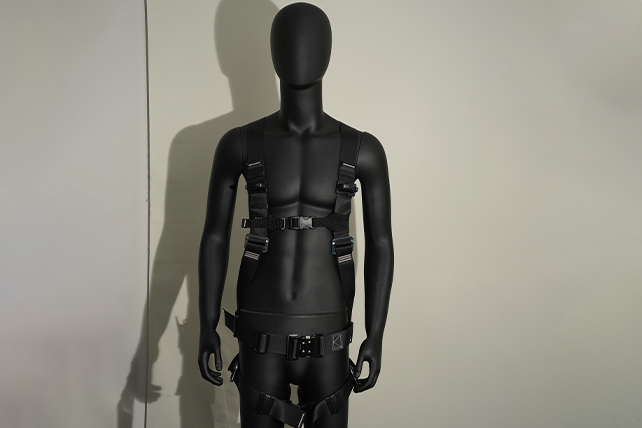
Choosing a suitable harness depends on the working environment rather than simply selecting a general-purpose product. Before purchasing, companies should evaluate:
Working conditions:
Determine whether the harness will be used for fall arrest, positioning, suspension work, or a combination of applications.
User requirements:
Consider the user's body size, movement requirements, and working duration.
Compatibility:
Make sure the harness can connect properly with lanyards, anchor points, lifelines, and other equipment.
Material and manufacturing quality:
For industrial applications, harnesses should be manufactured with durable webbing, reliable stitching, and consistent quality control.
For distributors, contractors, and industrial buyers, selecting a suitable harness supplier is as important as choosing the product itself. A professional manufacturer can provide different harness designs according to application requirements, industry standards, and customization needs.
Before placing an order, buyers should confirm product specifications, testing requirements, production capability, and quality inspection processes. This helps ensure the harnesses supplied match the expectations of the end-use environment.
Understanding the differences between full body harnesses, positioning harnesses, and suspension harnesses allows businesses to make more informed purchasing decisions and select the right equipment for different working scenarios.

Aplexus Industrial Co.,Ltd Is a trusted provider of semi-finished accessories and personal protective equipment (PPE).

Business wechat
Copyright © 2026 Aplexus Industrial Co.,Ltd All rights reserved.


