When selecting a harness for working at height, the right choice depends on the working environment, movement requirements, attachment system, and compliance standards rather than simply choosing a product with more features. A suitable harness should match the actual application, provide proper body support, and work effectively with other fall protection equipment.
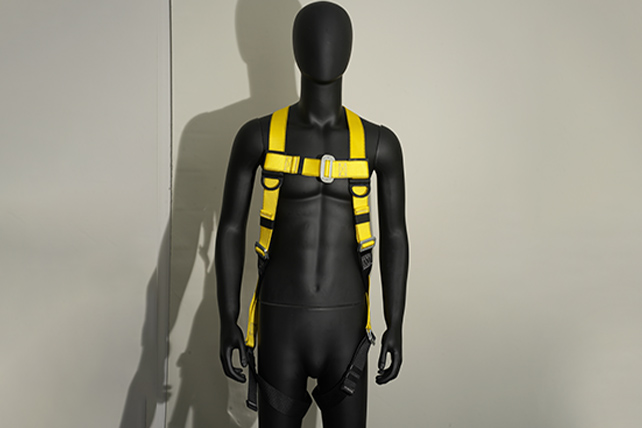
For most industrial applications, a full-body Fall Protection Harness is commonly selected because it helps distribute arrest forces across the shoulders, chest, pelvis, and legs when connected to a compatible fall arrest system. The harness design, attachment points, webbing quality, adjustment structure, and material durability all influence performance during daily use.
Key Factors to Consider When Choosing a Fall Protection Harness
1. Match the Harness to the Work Application
Different jobs require different harness configurations. A construction worker on scaffolding, a technician working on towers, and a maintenance worker in a confined space may have completely different requirements.
Before selecting a harness, consider:
Working height and potential fall distance
Required mobility during operation
Whether workers need positioning support
Exposure to heat, chemicals, moisture, or abrasion
Compatibility with lanyards, lifelines, and connectors
For example, a lightweight harness may be suitable for routine inspection work, while industries such as welding, utilities, or heavy construction may require specialized materials with higher resistance to environmental conditions.
2. Check Harness Structure and Attachment Points
A reliable harness should provide stable support while allowing workers to move comfortably. Important structural components include:
Back D-ring: Commonly used for connection with fall arrest systems
Chest and shoulder adjustment points: Help achieve proper fitting
Leg straps: Improve stability and weight distribution
Tool loops or accessory points: Useful for specific working conditions
The attachment points should match the intended application. Incorrect combinations between Harnesses and connecting components may affect the performance of the entire fall protection system.
3. Comfort and Adjustability Affect Daily Usage
A harness can only provide effective protection when workers wear and adjust it correctly. Poor fitting may restrict movement or cause discomfort, leading to incorrect usage during work.
When evaluating a harness, pay attention to:
Adjustable chest and leg straps
Easy-to-operate buckles
Balanced weight distribution
Padding design for long working hours
Available size options
For companies purchasing equipment in bulk, choosing designs suitable for different body sizes can improve worker acceptance and reduce adjustment issues.
4. Material Quality and Manufacturing Control
The durability of a harness depends on the quality of materials and production processes. Common factors to evaluate include:
Strength of webbing materials
Stitching quality
Corrosion resistance of metal components
Wear resistance under repeated use
Inspection and testing procedures
A professional manufacturer should be able to provide product specifications, testing information, and quality documentation to help buyers evaluate whether the harness meets workplace requirements.
How to Select the Right Harness for Different Industries
Construction and building maintenance
Workers usually need a harness that supports frequent movement, climbing, and connection with lanyards or lifelines.
Wind power and tower maintenance
Harnesses often require lightweight structures, multiple attachment options, and compatibility with climbing systems.
Oil, gas, and industrial maintenance
Equipment may need enhanced resistance to harsh environments, including oil, chemicals, or high temperatures.
Confined space operations
Harnesses may require additional attachment points for rescue and retrieval applications.
Understanding the working environment helps companies avoid selecting equipment based only on appearance or price.
What Should Buyers Ask a Harness Supplier?
Before purchasing from a manufacturer or supplier, buyers should confirm:
What standards does the harness comply with?
Are product testing reports available?
What materials are used for webbing and hardware?
Can the supplier provide customized solutions for different applications?
Does the manufacturer support bulk orders and OEM requirements?
A supplier with experience in industrial protective equipment should be able to provide technical details, production information, and application guidance instead of only offering product specifications.
Conclusion
Choosing the right harness for fall protection requires evaluating the complete working environment, not just the harness itself. Factors such as fit, attachment design, material quality, industry requirements, and compatibility with other protective equipment all influence the final selection.
For companies sourcing Safety Harnesses and related Protective Gear, working with an experienced manufacturer can help ensure the products meet workplace requirements and provide consistent performance for different applications.
A professional supplier can also support customized solutions, including harness designs, packaging requirements, and bulk production services for industrial customers.
 English