



 English

A Tactical Waist Pack offers five main benefits: high durability from military-grade materials, a multi-compartment layout for organized storage, MOLLE system compatibility for flexible expansion, support for multiple carrying styles, and a rugged tactical look that works as well in daily life as it does outdoors. These benefits come directly from its military-inspired design, which prioritizes compact structure, functional versatility, and durable materials over the simpler build of a standard waist bag.
As outdoor sports, tactical-style fashion, and functional everyday carry have grown in popularity, Tactical Waist Packs have moved well beyond their original military use—now showing up with urban commuters, cyclists, and outdoor enthusiasts.
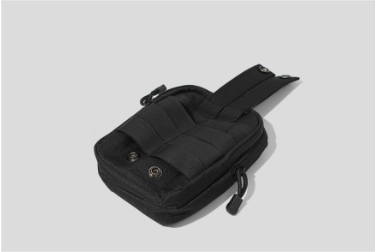
1. High Durability From Military-Grade Materials
The material used in a Tactical Waist Pack directly affects how long it lasts. Common materials include 1000D high-density nylon, 600D polyester, PVC waterproof coating, and military-grade metal zippers.
1000D nylon is the most widely used main fabric because of its strong tear and abrasion resistance, while 600D polyester offers a lighter, lower-cost alternative with somewhat less durability. PVC coating improves water resistance, and YKK metal zippers—common in military and police gear—hold up better than standard zippers in cold or muddy conditions. Packs built from 1000D nylon with YKK zippers typically last around 4–5 years, compared to just 2–3 years for a standard outdoor waist bag.
2. Organized Storage Through Multi-Compartment Design
Rather than a single open pocket, tactical waist packs are built with a main compartment plus secondary pockets, hidden pouches, and zippered sections. This layout makes it easier to keep smaller items—keys, tools, a phone—separated and quick to find, rather than digging through one large space.
3. Flexible Expansion With The MOLLE System
Most tactical waist packs include MOLLE webbing, a modular attachment system that lets users add extra pouches as needed—water bottle holders, first aid kits, flashlight sleeves, and more. This means the pack's capacity isn't fixed; it can grow to match the task, whether that's a short commute or a longer outdoor trip.
4. Support For Multiple Carrying Styles
Tactical waist packs are typically designed to be worn at the waist, over the shoulder, or crossbody. Being able to switch carrying styles makes it easier to adapt the pack to different activities—for example, wearing it crossbody while cycling for extra stability, or at the waist for quick access during everyday errands.
5. A Rugged Look That Works Beyond Tactical Use
Beyond function, the military-inspired color schemes—military green, black, khaki—and clean, minimal lines have made tactical waist packs popular outside of their original use case. This dual appeal is part of why they've caught on with commuters and younger users who want the durability without needing the tactical application itself.
Where These Benefits Matter Most
These combined benefits make tactical waist packs practical for hiking, camping, and mountaineering; useful for law enforcement and security roles that need quick access to gear; and increasingly common for daily commuting, cycling, and travel, where hands-free, theft-resistant storage matters just as much as durability.
If you're sourcing tactical waist packs for outdoor retail, law enforcement supply, or a custom apparel line, sharing your target use case and volume can help determine the right material, compartment layout, and MOLLE configuration for your project.