 English
Blog


2026-07-24 22:00:22
Tactical Gears are designed and manufactured through a process that combines functional planning, material selection, prototype development, testing, and production. Manufacturers need to consider factors such as durability, comfort, carrying capacity, and application requirements when creating Tactical Gear products. From selecting suitable fabrics to completing quality inspections, every stage affects the performance and usability of Tactical Equipment.
The design of Tactical Gears starts with understanding the purpose and usage environment of the equipment. Unlike ordinary bags or accessories, Tactical Gear products are developed for demanding conditions where durability, organization, and adaptability are important.
Designers need to analyze user requirements, including the type of equipment being carried, movement requirements, environmental conditions, and expected service life. Different applications require different product structures to meet specific needs.
For example, a tactical backpack used for outdoor operations may require large storage capacity and weather-resistant materials, while a Tactical Vest designed for professional applications may focus more on load distribution and accessory attachment systems.
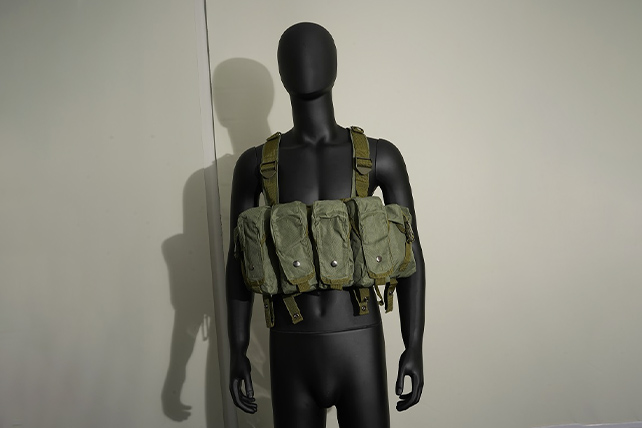
Material selection plays an important role in Tactical Equipment manufacturing. The materials directly affect the durability, comfort, weight, and overall performance of the final product.
Common materials used for Tactical Gears include nylon, polyester, and Cordura fabrics. These materials are widely selected for their abrasion resistance, lightweight characteristics, and ability to handle demanding environments.
Manufacturers also need to select suitable accessories, including buckles, zippers, webbing, and stitching materials. These small components are important parts of Tactical Gear because they influence product strength and long-term usability.
Different applications may require different material combinations. For example, outdoor Tactical Gear may require better resistance to moisture and changing weather conditions, while professional equipment may require stronger load-bearing structures.
Before mass production, manufacturers usually develop prototypes to evaluate the product design and functionality. Prototype development allows designers and customers to review the structure, appearance, and practical performance of Tactical Gears.
During this stage, manufacturers check important details such as product dimensions, pocket layout, attachment points, stitching methods, and user comfort. Adjustments can be made according to testing results and customer feedback.
For customized Tactical Gear projects, manufacturers often work with customers to modify product specifications, including colors, materials, logos, storage designs, and functional features.
The production process of Tactical Gears usually includes several important steps, from material preparation to final inspection.
Material cutting is the first stage of manufacturing. Fabrics and other components are accurately cut according to product design drawings and size requirements.
After cutting, skilled workers complete sewing and assembly processes. Reinforced stitching methods are commonly used in areas that experience higher stress, such as shoulder straps, handles, and connection points.
The next stage involves installing additional components, including buckles, zippers, adjustment systems, and MOLLE webbing. Proper positioning of these parts ensures that Tactical Gear products maintain their intended functionality.
After assembly is completed, manufacturers perform product inspections to check appearance, structure, and performance before packaging and shipment.
Quality control is an essential part of Tactical Gear manufacturing because these products are often used in professional environments and outdoor conditions.
Manufacturers usually inspect fabric quality, stitching strength, accessory performance, product dimensions, and overall structure. Some Tactical Equipment products may also undergo load testing to evaluate their carrying capability.
A professional Tactical Gear manufacturer should establish clear production standards and inspection procedures to maintain consistent product quality across different orders.
Customization is an important service provided by many Tactical Gear suppliers. Different customers may have unique requirements based on their target markets and application scenarios.
Common customization options include custom colors, brand logos, product patterns, material selection, storage configurations, and product dimensions.
OEM and ODM services allow businesses to develop specialized Tactical Gears according to their own brand requirements. This flexibility helps companies create products that match specific customer groups and market demands.
Manufactured Tactical Gears are widely used in different industries, including military, law enforcement, security services, outdoor activities, hunting, training, and emergency response fields.
Each application has different requirements for equipment design. Professional users may focus on durability and carrying capacity, while outdoor users may pay more attention to portability and convenience.
Manufacturers need to understand these differences to create Tactical Equipment solutions that provide suitable functions for various environments.
Choosing the right Tactical Gear manufacturer is important for businesses looking for reliable products and customized solutions.
Buyers should evaluate factors such as manufacturing experience, production capability, customization services, material options, and quality management systems. A manufacturer with professional production processes can better support different project requirements.
For companies planning to purchase Tactical Gears in bulk, cooperation with an experienced supplier can help improve product consistency and provide better solutions for different markets.
The design and manufacturing of Tactical Gears involve multiple stages, including product planning, material selection, prototype development, production, and quality inspection. Every stage influences the final performance and usability of Tactical Gear products.
With increasing demand for customized and professional equipment, experienced manufacturers continue to develop flexible Tactical Equipment solutions for different industries and applications.

Aplexus Industrial Co.,Ltd Is a trusted provider of semi-finished accessories and personal protective equipment (PPE).

Business wechat
Copyright © 2026 Aplexus Industrial Co.,Ltd All rights reserved.


