 English
Blog

2026-07-18 10:19:42
A Soft Exoskeleton System and a rigid exoskeleton are both wearable robotic technologies designed to assist human movement, but they have significant differences in structure, flexibility, comfort, and application. Soft exoskeletons use flexible materials such as textiles, cables, and artificial muscles to provide assistance, while rigid exoskeletons rely on solid mechanical frames and joints. Soft Exoskeleton Systems are generally designed for natural movement and long-term wearing, making them suitable for industrial assistance, rehabilitation, and wearable applications.
The development of wearable robotics has created different types of exoskeleton technologies. Choosing between a soft exoskeleton and a rigid exoskeleton depends on the required application, assistance level, and user environment.
The biggest difference between soft and rigid exoskeletons is their physical structure.
Rigid exoskeletons usually include:
Metal frames
Mechanical joints
Motors
Robotic linkages
These structures provide strong mechanical support and are often designed for applications requiring higher force output.
A Soft Exoskeleton System uses flexible components such as fabric-based structures, cables, and lightweight materials. Instead of replacing human movement with mechanical joints, soft exoskeletons work together with the user's natural motion.
This design makes soft exoskeletons more adaptable to different body movements.
Comfort is an important consideration for wearable devices.
Rigid exoskeletons may provide stronger mechanical assistance but can limit movement because of their fixed structures. Users may need time to adapt to the device.
Soft exoskeletons are designed to move with the human body. The flexible structure reduces restrictions and allows users to perform daily tasks more naturally.
For workers who wear assistance devices for several hours, comfort and mobility are important factors when selecting a wearable solution.
Weight is another major difference.
Rigid exoskeleton systems often require heavier components to provide mechanical strength. This can increase the overall weight of the device.
Soft exoskeleton systems use lightweight materials, making them easier to carry and suitable for mobile applications.
A professional Soft Wearable Exosuit Manufacturer usually focuses on reducing unnecessary weight while maintaining assistance performance.
Rigid and soft exoskeletons serve different application requirements.
Rigid exoskeletons are commonly used in:
Heavy-load assistance
Military applications
Advanced industrial automation
Soft exoskeleton systems are often used in:
Industrial worker assistance
Healthcare rehabilitation
Logistics operations
Elderly mobility support
The flexibility of soft wearable technology allows it to be integrated into more everyday environments.
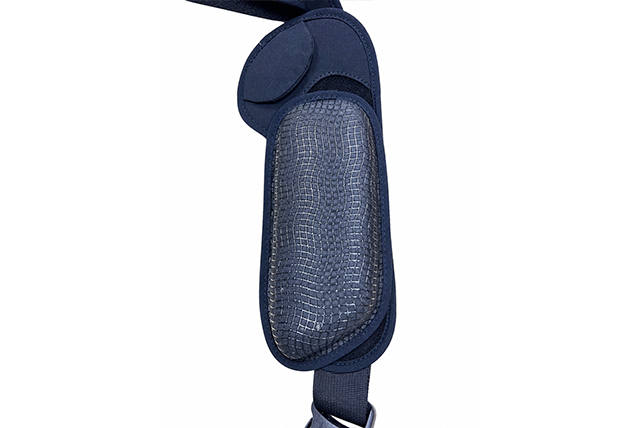
Rigid exoskeletons typically use motors and mechanical joints to generate movement assistance.
Soft exoskeletons often use cable-driven systems or artificial muscles to provide supportive forces around specific body areas.
The assistance from soft systems is usually designed to enhance human capability rather than replace movement.
Soft exoskeleton systems generally have simpler wearable structures, making customization easier for different users and working conditions.
For companies purchasing wearable robotic equipment, customization ability is an important factor. A capable Soft Wearable Exosuit Manufacturer can adjust designs according to different industries, user requirements, and application scenarios.
The choice between a soft and rigid exoskeleton depends on the purpose of use.
If the application requires high mechanical power and heavy-load support, a rigid exoskeleton may be suitable.
If the goal is improving comfort, mobility, and long-term wearable assistance, a Soft Exoskeleton System may provide better adaptability.
Companies should evaluate factors such as working environment, assistance requirements, wearing time, and user experience before selecting a solution.
The main difference between a Soft Exoskeleton System and a rigid exoskeleton lies in their structure and application approach. Rigid exoskeletons rely on mechanical frames for strong support, while soft exoskeletons use flexible materials to provide comfortable and natural assistance. With the development of wearable robotics, soft exoskeleton technology is becoming increasingly valuable for industrial, healthcare, and human assistance applications. Choosing an experienced Soft Wearable Exosuit Manufacturer can help businesses develop suitable wearable solutions for their specific needs.

Aplexus Industrial Co.,Ltd Is a trusted provider of semi-finished accessories and personal protective equipment (PPE).

Business wechat
Copyright © 2026 Aplexus Industrial Co.,Ltd All rights reserved.


