 English
Blog


2026-07-18 10:12:56
A Soft Exoskeleton System is composed of several key components that work together to provide wearable assistance and improve human movement efficiency. The main components usually include a flexible wearable structure, actuation system, sensors, control unit, power supply, and user interface. Unlike traditional rigid robotic systems, soft exoskeletons use lightweight and flexible materials to follow natural body movements while providing additional support. These components allow the system to assist workers, patients, and users in applications such as industrial operations, rehabilitation training, and physical assistance.
A Soft Exoskeleton System is designed to combine human movement with robotic assistance. Each component plays an important role in detecting movement, generating support force, and ensuring comfortable operation.
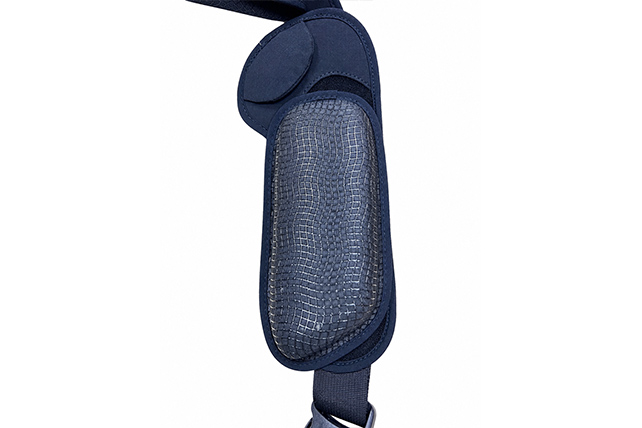
The wearable structure is one of the most important parts of a soft exoskeleton system. It is usually made from flexible materials such as fabric, polymer materials, straps, and lightweight composites.
Unlike rigid frames that use mechanical joints and metal structures, soft wearable designs can better adapt to different body shapes. The flexible structure allows users to move naturally while wearing the device for extended periods.
For industrial applications, the wearable structure needs to balance durability, comfort, and flexibility. A professional Soft Wearable Exosuit Manufacturer focuses on selecting suitable materials and ergonomic designs to ensure the equipment can withstand repeated use in real working environments.
The actuation system provides the assisting force required to support human movement. Depending on the design, soft exoskeletons may use different types of actuators, including:
Pneumatic artificial muscles
Electric motors
Cable-driven mechanisms
Elastic components
The actuator converts energy into mechanical assistance and helps reduce physical stress during activities such as lifting, bending, or repetitive movements.
For example, in manufacturing environments, a soft exoskeleton system can provide support to workers who frequently perform overhead tasks or handle heavy components.
Sensors allow the exoskeleton to understand the user's movements and provide appropriate assistance.
Common sensors used in soft exoskeleton systems include:
Motion sensors
Force sensors
Pressure sensors
Position sensors
These sensors collect information about body movement, muscle activity, and physical load. The control system analyzes this data and adjusts assistance levels based on user needs.
The integration of sensing technology helps create a more responsive wearable assistance system.
The control unit works as the “brain” of the soft exoskeleton system. It processes sensor data and manages how much assistance the actuator should provide.
A control system may include:
Embedded processors
Software algorithms
Communication modules
Advanced control methods allow the device to recognize different movement patterns and provide smoother assistance.
For companies developing wearable robotic solutions, the control system is an important factor when evaluating suppliers and technology partners.
A reliable power source is necessary for operating the actuation and control components.
Most portable soft exoskeleton systems use rechargeable batteries because they allow users to move freely without being connected to external power sources.
The power system design needs to consider:
Operating time
Battery weight
Charging efficiency
User comfort
A lightweight power solution helps improve the overall usability of wearable devices.
The user interface allows operators to adjust settings and monitor system performance.
Depending on the application, the interface may include:
Mobile applications
Control buttons
Computer software
Status indicators
Adjustment functions allow users to customize assistance levels according to different tasks and physical requirements.
The combination of these components allows soft exoskeleton technology to be used across multiple industries.
In industrial manufacturing, soft exoskeleton systems are used to reduce physical workload during repetitive operations. In healthcare, they can support rehabilitation programs and mobility training. In logistics and construction, they help workers manage physically demanding tasks.
As demand for wearable robotic solutions increases, businesses are looking for experienced Soft Wearable Exosuit Manufacturers that can provide customized designs for different applications.
When selecting a supplier, companies should consider several factors, including product design capability, manufacturing experience, customization options, and testing processes.
A qualified Soft Wearable Exosuit Manufacturer should understand both wearable technology and real-world application requirements. The supplier should be able to provide solutions that combine comfort, durability, and functional performance.
The main components of a Soft Exoskeleton System include the flexible wearable structure, actuator system, sensors, control unit, power supply, and user interface. Together, these components enable wearable devices to provide physical assistance while maintaining natural human movement. With continuous development in wearable robotics, soft exoskeleton technology is becoming an important solution for industrial assistance, healthcare, and human performance improvement.

Aplexus Industrial Co.,Ltd Is a trusted provider of semi-finished accessories and personal protective equipment (PPE).

Business wechat
Copyright © 2026 Aplexus Industrial Co.,Ltd All rights reserved.


