 English
Blog


2026-03-17 14:14:11
Seat Belt webbing is a critical component of vehicle safety systems, designed to restrain occupants during collisions. Over time, the performance of seat belt webbing can change due to wear, exposure to environmental conditions, and repeated loading. Understanding the differences in seat belt webbing tensile strength kN between new and used webbing is essential for maintaining safety standards.
New seat belt webbing typically exhibits high mechanical properties. Manufacturers often use materials with high tensile capacity, ensuring the high tensile strength seat belt webbing can withstand significant forces. The tensile strength of new webbing, measured in kN, provides a reliable indication of the webbing’s ability to resist stretching or deformation under load. Additionally, the seat belt webbing breaking strength kN of new webbing is generally close to its rated specification, offering maximum protection in crash scenarios.
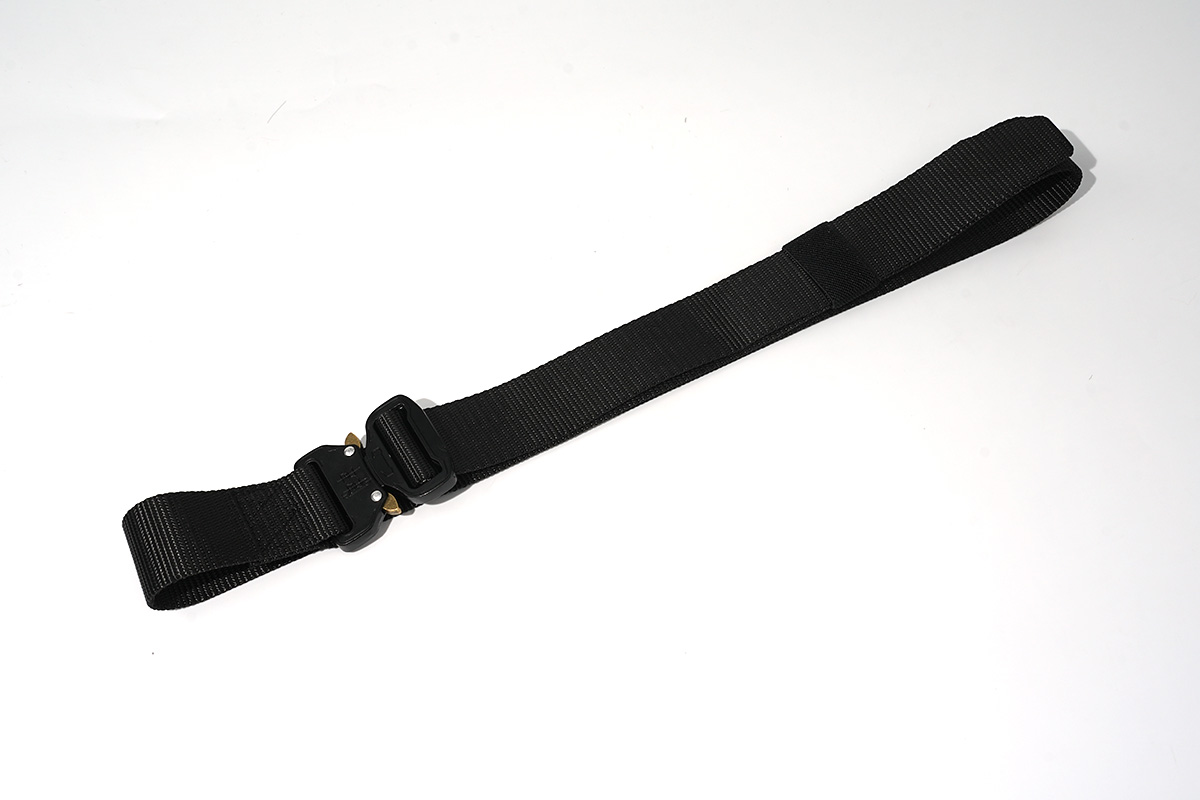
In contrast, used seat belt webbing can experience a reduction in tensile performance. Factors such as repeated loading, UV exposure, temperature fluctuations, and contamination from dirt or oils can degrade the fibers. As a result, the seat belt webbing tensile strength kN of used webbing may decrease, lowering its effectiveness. The reduction in strength can also affect the seat belt webbing breaking strength kN, making the webbing more susceptible to failure under high loads. This decline underscores the importance of inspecting and replacing worn or aged seat belts in vehicles.
Comparing new and used webbing highlights the significance of maintaining high tensile strength seat belt webbing throughout the service life of a vehicle. Regular testing, including tensile and breaking strength measurements, ensures that the seat belts continue to meet safety requirements. Vehicle safety authorities recommend that webbing showing noticeable wear, fraying, or reduced tensile properties be replaced promptly to avoid compromising occupant safety.
In conclusion, the differences between new and used seat belt webbing are primarily reflected in the seat belt webbing tensile strength kN and seat belt webbing breaking strength kN. While new webbing provides optimal restraint performance, used webbing can suffer degradation that diminishes its protective function. Ensuring that all seat belts maintain high tensile strength is critical for vehicle safety, making regular inspection and timely replacement of used webbing essential.

Dongguan City Wanxinlong Technology Co., Ltd. Is a trusted provider of semi-finished accessories and personal protective equipment (PPE).

Business wechat
Copyright © 2026 Dongguan City Wanxinlong Technology Co., Ltd. All rights reserved.


