 English
Blog


2026-03-04 11:51:43
Ultraviolet exposure is an often underestimated factor in automotive material performance.While Seat Belts are installed inside the vehicle cabin,they are still regularly exposed to sunlight through windows and windshields.Over time,UV radiation can degrade certain synthetic fibers,potentially weakening safety components.This raises an important question:can polyester seat belt webbing effectively resist UV exposure inside vehicles?
Polyester,as a polymer material,has inherently strong resistance to ultraviolet radiation compared to many alternative fibers.This makes polyester seat belt webbing particularly suitable for automotive interiors where intermittent but long-term sunlight exposure occurs.
Inside parked vehicles,sunlight can directly hit seat belts for hours,especially in regions with strong solar intensity.Continuous UV exposure can cause discoloration,fiber brittleness,and strength reduction in inferior materials.However,high-quality polyester seat belt products are engineered with UV stabilizers and advanced dyeing processes to enhance resistance.
UV resistance begins at the fiber level.Polyester molecules contain aromatic rings in their structure,which provide natural resistance to photodegradation.Unlike nylon,which may lose tensile strength more quickly under prolonged UV exposure,polyester retains a higher percentage of its original strength over time.
Automotive manufacturers conduct accelerated weathering tests to simulate years of sunlight exposure within a short period.During these tests,polyester seat belt samples are placed in UV chambers where radiation,heat,and humidity cycles are applied.Results consistently show that properly treated polyester seat belt webbing maintains structural integrity and meets regulatory safety requirements even after simulated long-term UV aging.
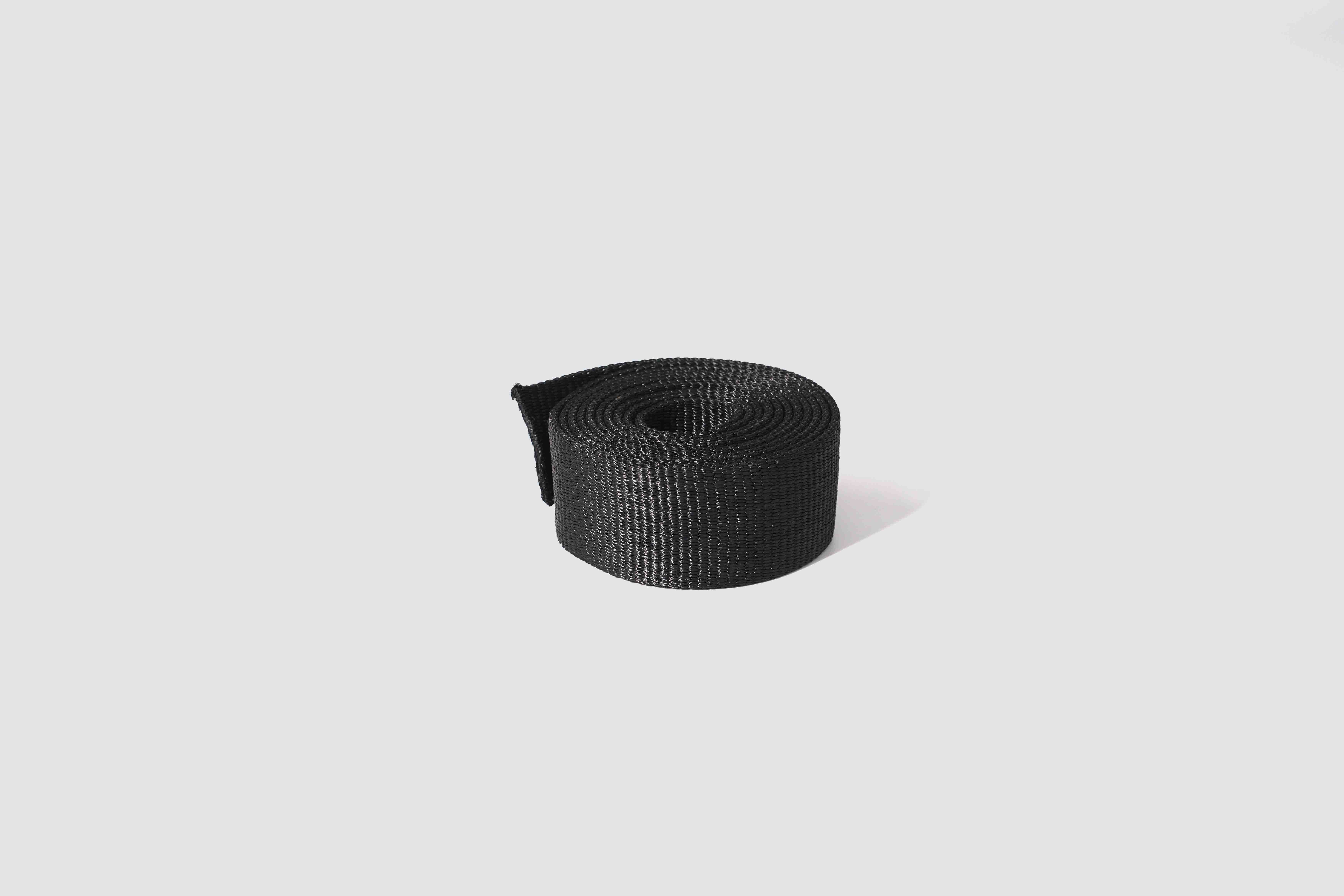
Color retention is another important aspect.Interior design and brand aesthetics matter to vehicle manufacturers.Polyester seat belt webbing demonstrates excellent colorfastness when solution-dyed or properly coated.This prevents fading and maintains visual consistency throughout the vehicle’s lifecycle.
In regions such as the Middle East,Australia,and parts of North America,vehicles are frequently exposed to intense sunlight.For these markets,UV-resistant polyester seat belt materials are essential.Suppliers often provide additional UV protective treatments to further enhance performance in high-radiation environments.
Window glass in modern vehicles blocks a significant portion of UVB radiation but may still allow UVA rays to penetrate.Over years of exposure,even filtered sunlight can impact interior materials.Polyester seat belt webbing’s resistance to UVA ensures that long-term tensile strength remains within certified limits.
Another factor influencing UV durability is finishing treatment.Heat-setting processes stabilize the polyester structure,reducing vulnerability to environmental stress.Protective coatings can also create a barrier against photodegradation,extending product lifespan.
Commercial vehicles,taxis,and buses experience even higher cumulative UV exposure due to longer operating hours.In these demanding conditions,polyester seat belt webbing continues to demonstrate reliable resistance when manufactured according to international automotive standards.
From a procurement perspective,buyers should request UV aging test reports when sourcing polyester seat belt materials.Certifications aligned with FMVSS,ECE,or ISO standards typically include environmental durability validation.This documentation ensures compliance and minimizes liability risks.
It is also important to consider that UV exposure rarely acts alone.Heat buildup inside a closed vehicle can amplify aging effects.Polyester seat belt materials exhibit strong thermal-oxidative stability,meaning they resist combined heat and UV stress better than many alternative synthetic fibers.
Ultimately,the ability of polyester seat belt webbing to resist UV exposure makes it a preferred choice for global automotive manufacturers.Its structural stability,color retention,and strength preservation under sunlight contribute directly to long-term safety performance.
For OEMs and automotive component distributors,selecting UV-resistant polyester seat belt suppliers ensures product reliability across diverse climates and operating conditions.When engineered and tested correctly,polyester seat belt webbing delivers consistent safety performance even after years of sunlight exposure inside vehicles.

Dongguan City Wanxinlong Technology Co., Ltd. Is a trusted provider of semi-finished accessories and personal protective equipment (PPE).

Business wechat
Copyright © 2026 Dongguan City Wanxinlong Technology Co., Ltd. All rights reserved.


