 English
Blog


2026-11-10 00:00:00
A body harness is a personal protective equipment (PPE) component designed to protect workers from serious injuries or fatalities caused by falls from height. Its primary purpose is to distribute the forces generated during a fall across stronger areas of the body, including the thighs, pelvis, waist, chest, and shoulders, while connecting the worker to a suitable fall protection system. It is commonly used in construction, roofing, industrial maintenance, telecommunications, wind energy, and other industries where employees work above ground level.
Unlike a simple safety belt, a Full Body Harness is designed to work as part of a personal fall arrest system (PFAS). When correctly selected, fitted, connected, and maintained, it helps stop a falling worker before they strike a lower surface. For businesses purchasing fall protection equipment, understanding the purpose of a body harness is essential for selecting suitable products and protecting employees in different working environments.
The main function of a body harness is to secure the worker to a fall protection system and distribute fall arrest forces across multiple parts of the body. During an accidental fall, the harness works with an anchorage, connecting device, and energy-absorbing component to reduce the risk of uncontrolled impact.
A typical personal fall arrest system includes three essential elements:
Anchorage: A suitable structural attachment point that supports the fall protection system.
Body harness: The wearable equipment that secures the worker and distributes the forces generated during fall arrest.
Connecting device: A compatible lanyard, self-retracting lifeline, or other approved connector linking the harness to the anchorage.
For example, consider a construction worker installing steel components on an elevated platform. If the worker slips near an unprotected edge, a properly configured fall arrest system can stop the fall before the worker reaches the level below. The dorsal D-ring, generally positioned between the shoulder blades, is commonly used as the fall arrest attachment point.
According to OSHA's construction fall protection requirements, a personal fall arrest system must be arranged to prevent a worker from free-falling more than 6 feet (1.8 m) or contacting a lower level. The system must also limit the maximum arresting force on a worker using a body harness to 1,800 pounds (8 kN). These are system-level requirements, not performance claims for the harness alone.
A fall from height can generate considerable forces in a very short period. If the body is restrained only around the waist, the stopping force may concentrate on a small area and increase the risk of severe internal injuries. A full body harness uses interconnected shoulder, chest, pelvic, and leg straps to distribute the load more effectively.
This design is particularly important in situations where workers may experience a sudden fall while connected to an anchorage. A properly adjusted harness helps maintain a more controlled body position during fall arrest and reduces the likelihood of the worker slipping out of the equipment.
For instance, a roofing contractor working near an exposed roof edge may need a complete fall arrest system depending on the applicable workplace requirements and selected protection method. The harness alone cannot prevent a fall. Its protective function depends on correct attachment, sufficient clearance, compatible components, and a suitable rescue plan.
Understanding harness construction helps buyers evaluate product quality and determine whether a model is suitable for its intended application.
Shoulder and leg straps help distribute forces across the wearer's body. Their design, width, material strength, and adjustment range influence fit and comfort. Poorly positioned straps may cause discomfort or allow the harness to move during work. Manufacturers should verify stitching quality, webbing strength, and buckle performance during production inspection.
D-rings provide connection points for compatible fall protection equipment. A dorsal D-ring is commonly used for fall arrest, while front, side, or other attachment points may serve specific applications such as ladder climbing, work positioning, or rescue. Buyers should not assume that every D-ring is suitable for fall arrest. Its intended function must be confirmed through the product instructions and applicable certification.
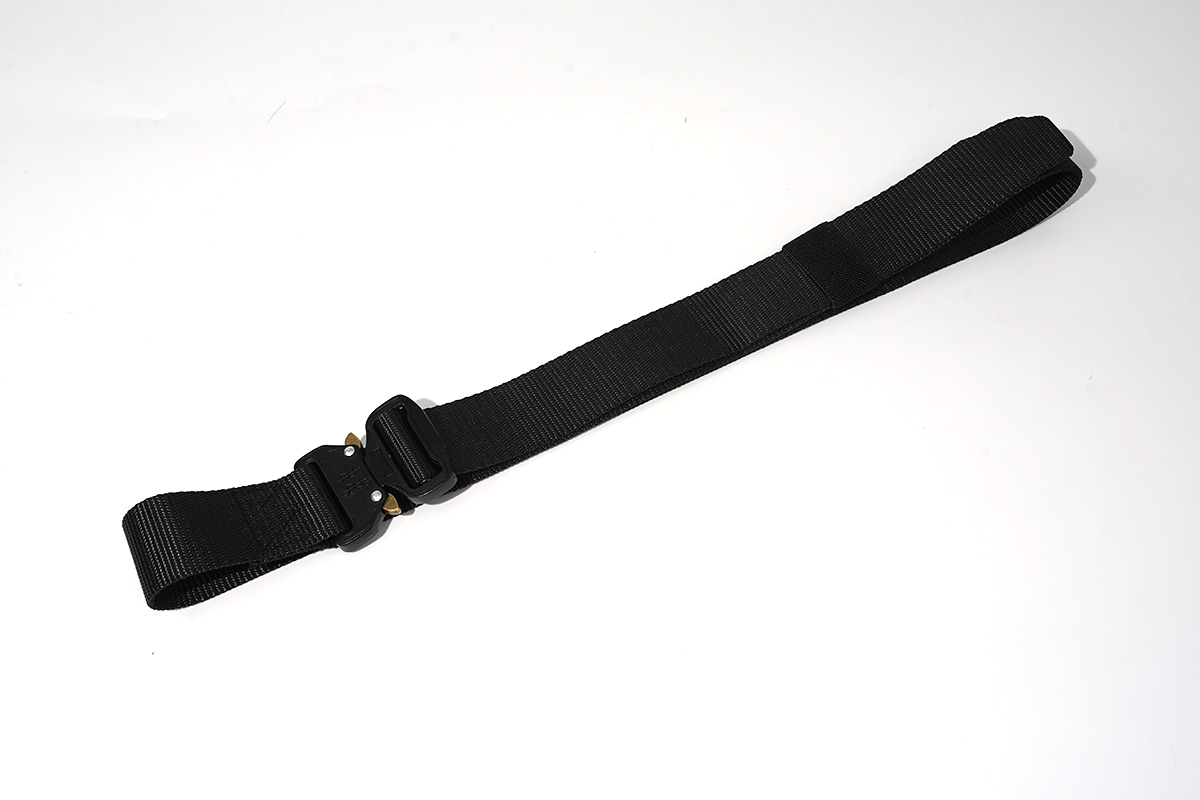
Quick-connect, tongue, and other adjustment buckles allow workers to secure the harness and obtain a suitable fit. Buckles must resist accidental opening and remain functional after repeated adjustment. During quality control, manufacturers should examine locking mechanisms, deformation, corrosion resistance where relevant, and compatibility with the webbing.
Webbing is a critical load-bearing component. Synthetic fibers are commonly used because of their strength and suitability for safety equipment. Stitching patterns, thread quality, seam consistency, and resistance to abrasion all influence the finished product's reliability. A factory should maintain controlled sewing procedures and inspect critical load-bearing seams rather than relying only on visual appearance.
Yes, some full body Harnesses are designed to support more than one fall protection function, but the attachment points and complete system configuration must match the intended task.
Fall arrest: A fall arrest harness is connected to a suitable anchorage through a compatible lanyard or self-retracting lifeline. Its purpose is to stop a worker after a fall has started.
Work positioning: Positioning equipment supports a worker in a working position and may allow both hands to be used. Side D-rings are commonly associated with positioning applications. A positioning system should not automatically be treated as a fall arrest system.
Restraint: A travel restraint configuration is intended to prevent workers from reaching a fall hazard in the first place. The equipment and system must be selected to ensure the worker cannot access the dangerous edge or opening.
For example, a utility technician climbing a structure may require a harness with attachment points designed for the specific climbing and positioning equipment. A roofing worker, by contrast, may need a dorsal attachment point and a compatible fall arrest lanyard. Selecting a harness based only on its number of D-rings can lead to an unsuitable configuration.
For distributors, wholesalers, and industrial procurement teams, choosing a body harness involves more than comparing unit prices. Product suitability, certification, manufacturing consistency, and after-sales documentation should all be considered.
Identify whether the harness will be used for construction, roofing, tower maintenance, confined-space access, or another application. Consider exposure to moisture, dust, oils, sharp edges, heat, and chemicals. Different environments may require different webbing materials, hardware finishes, or harness configurations.
A harness should fit the intended wearer and allow all straps to be adjusted correctly. Buyers supplying multiple worksites should consider size availability, adjustment range, padding options, and ease of donning. A poorly fitting harness may be worn incorrectly or left unused because of discomfort.
Check the standards and certification requirements of the destination market. For example, buyers supplying the US market may need to evaluate relevant OSHA requirements and applicable ANSI/ASSP standards. European buyers should check the applicable EN requirements and conformity documentation. Certification must match the exact product model and intended use.
Each harness should have clear identification, manufacturer information, applicable instructions, and traceability details. Before every use, workers should inspect the equipment for cuts, fraying, damaged stitching, corrosion, deformation, and other deterioration. Equipment subjected to impact loading must be removed from service and handled according to the applicable requirements and manufacturer instructions.
Working with a reliable Full Body Harness Manufacturer helps buyers maintain product consistency across repeat orders. However, supplier evaluation should focus on manufacturing controls and verifiable product performance rather than marketing descriptions alone.
When evaluating a Full Body Harness Factory, procurement teams can review several areas:
Material control: Ask how webbing, thread, buckles, D-rings, and other hardware are sourced and inspected.
Production processes: Review cutting accuracy, sewing procedures, reinforcement methods, and assembly controls.
Testing capability: Confirm whether the manufacturer conducts the required strength, component, and finished-product tests under the relevant standards.
Certification documents: Request reports and certificates that identify the actual model and its approved configuration.
Product traceability: Check whether production batches and inspection records can be identified.
Customization: Discuss available sizes, labels, packaging, colors, and OEM or ODM requirements without compromising certified design specifications.
A qualified Full Body Harness Supplier should also be able to explain the intended use and limitations of each model. A Full Body Safety Harness Manufacturer or Fall Protection Harness Manufacturer should provide technical information that helps buyers distinguish between fall arrest, restraint, positioning, and climbing applications.
For buyers sourcing a Fall Arrest Harness Manufacturer, it is especially important to confirm that the harness, lanyard, connectors, and anchorage are suitable as a complete system. A harness certificate alone does not establish that every possible system configuration is safe.
The purpose of a body harness is to secure workers and distribute fall arrest forces across the body when used as part of a properly designed personal fall arrest system. Its effectiveness depends on suitable materials, correct construction, appropriate sizing, compatible connectors, secure anchorage, regular inspection, and worker training.
For overseas B2B buyers, selecting a dependable manufacturer means checking more than product appearance and price. Manufacturing quality, applicable certifications, testing records, traceability, and technical support are essential factors when sourcing body harnesses for professional fall protection applications.

Aplexus Industrial Co.,Ltd Is a trusted provider of semi-finished accessories and personal protective equipment (PPE).

Business wechat
Copyright © 2026 Aplexus Industrial Co.,Ltd All rights reserved.


